
Watermelon grows from Watermelon Seed and takes sixteen growth nights to mature. The newer seed listing puts its 20g purchase in the Season of the Harvest, while collection instructions list Witch. Check the current in-game seed description before sowing, then plant it in prepared farmland and water it each day. A normal planting yields one Watermelon from a single harvest, so leave enough time for that harvest before the season changes.
The crop is useful for direct sales, Watermelon Jelly, Watermelon Wine, a Crate of Watermelon, and the Art Gallery. You do not need a cursed-crop ritual to identify its ordinary seed: Watermelon and Duskmelon are different crops with different requirements.
Find Watermelon Seeds in the Harvest season
Look for Watermelon Seed at the seasonal Seed Shop. Its listed price is 20g. The newer seed entry lists Harvest, but the seasonal information conflicts with older collection instructions; use the current in-game seed description to confirm your planting window. Stock can vary, so an absent seed on one visit does not establish that you missed a named quest reward.
Some crops are unlocked by tasks, but no dedicated Watermelon task unlock is established here. Start with the seasonal seller and the actual seed description rather than completing a different crop's task on the assumption that it also unlocks Watermelon. Hans's Pumpkin, Corn, Grape, and Coffee Bean progression belongs to those separate crops.
Buy early enough to use the seed. A low price does not make a late-season purchase useful if the plant cannot finish its sixteen nights before the next season. You can hold a seed for a suitable planting window instead of immediately committing it to a plot.
The item you want is the seed, not a harvested Watermelon or a Duskmelon Seed. Read the name in the shop before paying. The harvested fruit goes into processing or crafting, while the seed is what begins the growth cycle.
Prepare a plot and start the crop
Use a cleared, tilled farming tile. If Ghost Tentacles still occupy the land, remove them with Cleansing Balm before working the tile with a Gardening Hoe. Fertilizer and seeds belong on prepared ground, and watering follows planting.
A practical planting sequence is:
- Confirm that the current season matches the Watermelon Seed description.
- Clear the tile and till it with your Gardening Hoe.
- Apply the fertilizer you have chosen, if using any.
- Sow the Watermelon Seed.
- Water the seeded tile, then maintain daily watering through the growth period.
- Collect the mature fruit and decide its intended use before selling or processing it.
Crows can eat growing crops when they are outside a Scarecrow's protected range. Fully grown crops are not their target. Check coverage for the Watermelon plot while it is growing, especially if you have extended your field beyond the area used by your earlier crops.
This is a plot crop, not a fruit tree or a large two-by-two plant. An orchard may support Bat Box production, but planting Watermelon does not substitute for that fruit-tree setup.
Count sixteen growth nights correctly
The sowing day is not the first completed growth night. With normal growth and daily watering, a Watermelon planted on season day 1 is ready on day 17. The sixteen-day duration describes elapsed growth, not a calendar label that makes a day-1 planting ready on day 16.
| Progress point | Elapsed growth after sowing |
|---|---|
| Initial sowing | 0 nights |
| First recorded intermediate stage | 4 nights |
| Second recorded intermediate stage | 8 nights |
| Third recorded intermediate stage | 12 nights |
| Harvest | 16 nights |
An unwatered crop does not advance that night. Missing a watering therefore shifts the expected harvest later; it does not necessarily mean the plant died immediately. Recount completed watered nights if the fruit is not ready on the date you expected.
The season ends after day 28. For normal growth entirely within one Harvest season, sowing on day 12 gives a day-28 harvest if every required night advances. That is a calculated edge case, not a forgiving recommended deadline: planting earlier leaves room for a missed watering or another delay.
The available seasonal instructions conflict, so Witch planting or continued growth is not confirmed here. Check the crop's current seed description rather than applying Tomato's season rules. If you cannot provide the remaining sixteen growth nights in a suitable season, keep the seed for a later window or choose a crop whose documented growth time fits.
Decide what to do with the harvest
A normal Watermelon planting produces one harvest. It is not a multi-pick crop that remains ready for several later collections. That makes each fruit a deliberate choice between immediate money and another use.
The crop exists in Regular, Silver, Gold, and Void quality. Higher quality can change its sale value, but the uses listed below accept the matching Watermelon rather than requiring a special colour quality unless the destination explicitly says otherwise. Do not sell a fruit you still need for a collection simply because a sale option is available.
The crop reference lists these sale values by quality:
| Watermelon quality | Listed sale value |
|---|---|
| Regular | 200g |
| Silver | 266g |
| Gold | 332g |
| Void | 400g |
The crop table lists 200g for a Regular Watermelon. Against a 20g seed, the simple difference is 180g before fertilizer, other costs, or the value of the time spent growing it. That comparison helps describe one planting; it is not a claim about profit per hour, a guaranteed whole-farm return, or the best crop for every part of the season.
Make Watermelon Jelly or Wine
| Desired product | Machine | Ingredient | Processing time |
|---|---|---|---|
| Watermelon Jelly | Preserving Barrel | Watermelon | 3 days |
| Watermelon Wine | Keg | Watermelon | 5 days |
Both routes accept Watermelon of any quality. The Preserving Barrel gives a shorter listed processing time, while the Keg makes the wine version. Choose based on the product you want and the machine you have available rather than assuming every fruit must be processed.
Yellow Room painting 2 accepts a Jelly variety and a Wine variety. A Watermelon harvest can therefore contribute to those processing families as well as to the separate raw-crop donation. Those are different items: a jar of Watermelon Jelly does not replace the raw Watermelon in Green Room painting 2.
If you are working through the Art Gallery, reserve the raw donation first. You can then allocate later fruit to Jelly or Wine without having to regrow the last missing raw item.
Craft a Crate of Watermelon
A Crate of Watermelon is a Workbench recipe. It uses five Watermelon, twenty-five Wood, and two Iron Bar. The Watermelon can be any quality, and the recipe is listed as available from the start.
Five fruit is a larger commitment than the single-copy gallery requirement. Decide whether you actually want the crate before processing several harvested melons into Wine or Jelly. Once the raw fruit is committed to another product, it cannot fill this ingredient slot as that processed item.
The recipe name identifies the crafted result; it is not a planting container required for growing the crop. You can grow your first Watermelon without first making the crate.
Keep the gallery and gift copies you need
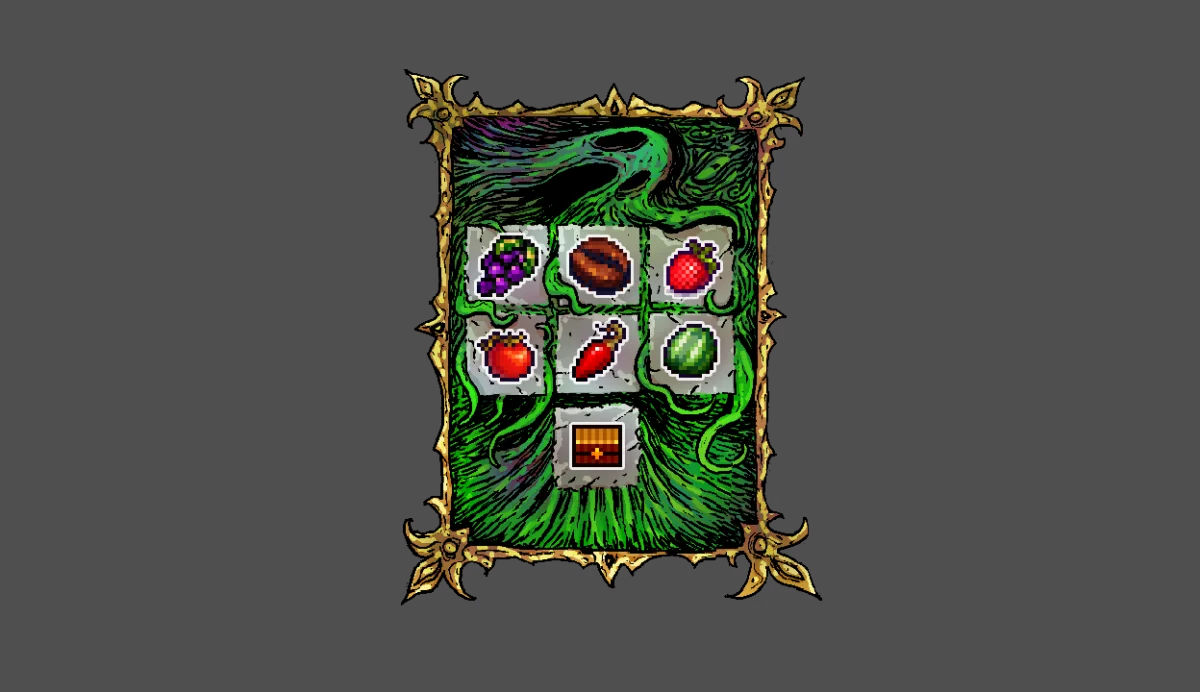
Green Room painting 2 needs one Watermelon. Check the current Watermelon Seed description for its valid season, then submit the harvested item whenever you have it. The donation needs the raw crop, regardless of which season you obtain it in.
Molly likes Watermelon. Alice, Blorph, Celeste, Edwin, Ellie, Josh, Sam, and Tanner are neutral to it. Quality does not improve the gift reaction, so a more valuable fruit is not automatically a stronger relationship choice.
If Molly is your planned recipient, keep a gift copy after you have covered the gallery requirement and any crate ingredients. For the wider gifting rules and other choices, use the gift guide. The Watermelon decision itself remains small and concrete: one raw donation, any fruit needed for crafting, and then the surplus you want to sell, process, or give away.
Editorial verification
This guide was source-checked on . Confirmed game details, community observations, older-build behavior, and unresolved evidence gaps are identified in the article instead of being presented as equally certain.
Found an outdated step or a version mismatch? Send a correction to Kevin.